
Customized Garden Setup
Customized Garden Setup
Gardening is a fulfilling and therapeutic activity that not only enhances the beauty of your surroundings but also promotes sustainability. A customized gardening setup allows you to create a garden tailored to your available space, climate, and personal preferences. Whether you have a large backyard, a small balcony, or even just a windowsill, you can design a garden that fits your lifestyle. This article explores different types of gardening setups and how to customize them to suit your needs.
Types Of Gardening:
Kitchen Gardening
Balcony Gardening
Terrace Gardening
Vertical Gardening
Indoor Gardening
Hydroponic Gardening
Community Gardening
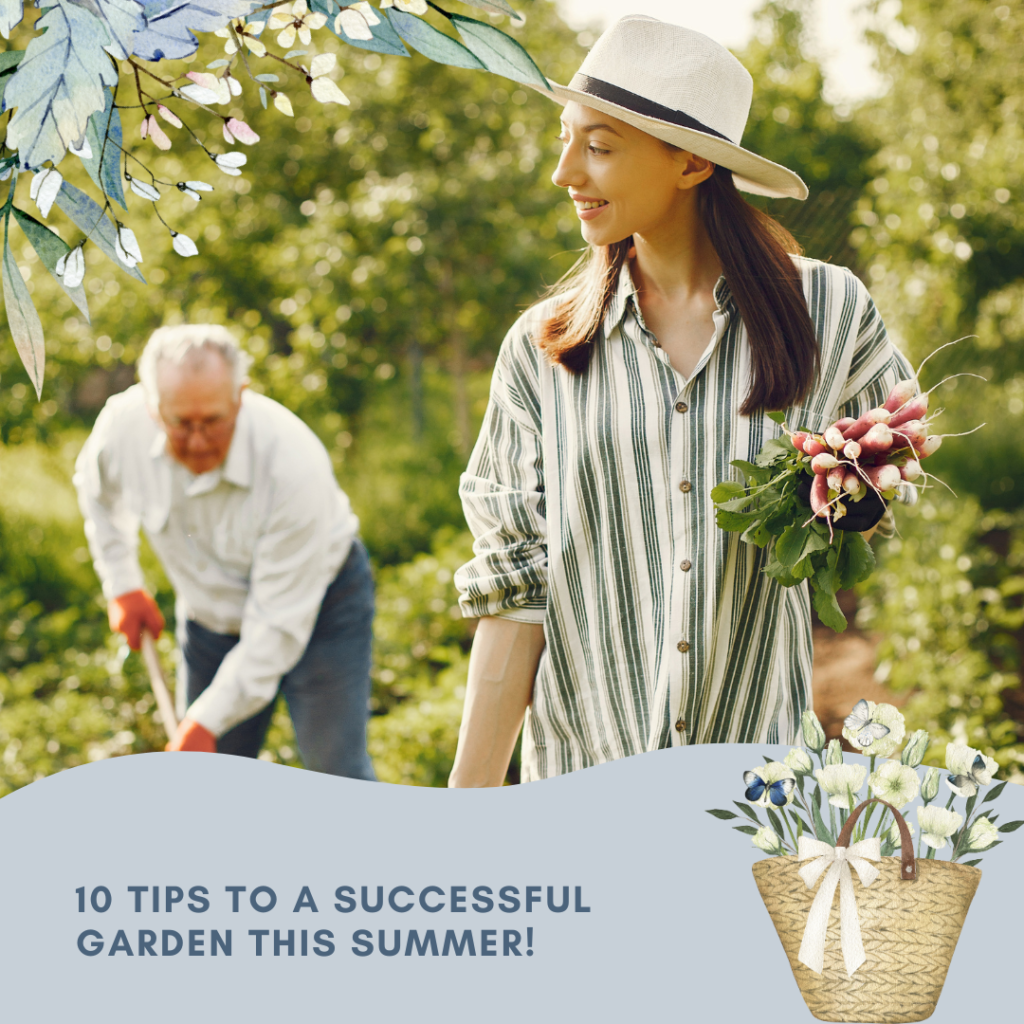
1. Kitchen Gardening
Kitchen gardening involves growing edible plants like herbs, vegetables, and fruits in a small, dedicated space near your kitchen. It ensures a fresh supply of organic produce and reduces dependency on store-bought vegetables.
Setup:
Choose a space with ample sunlight, such as a windowsill, balcony, or backyard.
Use containers, raised beds, or vertical planters for space optimization.
Grow easy-to-maintain plants like basil, coriander, mint, tomatoes, chilies, and leafy greens.
Ensure proper drainage and use organic compost for better yield.
Benefits:
Fresh and pesticide-free produce.
Reduces grocery expenses.
Enhances cooking experience with home-grown herbs.
2. Balcony Gardening
For those living in apartments, balcony gardening offers a way to create a green oasis in limited space.
Setup:
Utilize vertical gardening techniques with hanging pots, wall planters, or tiered shelves.
Grow plants that thrive in containers, such as succulents, ferns, or flowering plants.
Use railing planters or hydroponic systems for better space management.
Ensure proper sunlight exposure based on plant requirements.
Benefits:
Improves air quality and aesthetics.
Adds privacy and a refreshing ambiance.
Can include decorative elements like fairy lights and small fountains.

3. Terrace Gardening
A terrace garden transforms an underutilized rooftop into a productive green space. It can be used for growing vegetables, fruits, or even ornamental plants.
Setup:
Assess the load-bearing capacity of the terrace before setting up soil beds or large planters.
Use waterproofing to prevent leakage issues.
Install raised beds, grow bags, or hydroponic systems.
Consider drip irrigation for efficient water usage.
Grow seasonal vegetables, climbers, and flowering plants for variety.
Benefits:
Maximizes space for gardening.
Reduces indoor temperature and improves insulation.
Provides a recreational space for relaxation.
4. Vertical Gardening
Vertical gardening is ideal for small spaces where horizontal gardening isn’t possible. It involves growing plants on vertical structures such as walls, trellises, or hanging planters.
Setup:
Use wall-mounted planters, fabric pockets, or vertical garden panels.
Choose plants like pothos, philodendrons, ferns, and trailing succulents.
Install a drip irrigation system for easy maintenance.
Benefits:
Saves space while maximizing greenery.
Enhances indoor and outdoor aesthetics.
Provides better air purification and cooling effects.
5. Indoor Gardening
Indoor gardening brings nature inside the home, creating a healthier and more pleasant environment.
Setup:
Choose low-maintenance indoor plants like snake plants, peace lilies, and ZZ plants.
Use decorative pots and planters to match interior decor.
Ensure proper light exposure through grow lights if necessary.
Consider terrariums and hydroponic setups for variety.
Benefits:
Enhances mood and reduces stress.
Purifies indoor air and increases humidity.
Ideal for people with limited outdoor space.
6. Hydroponic Gardening
Hydroponic gardening is a soil-less method of growing plants using nutrient-rich water solutions. It’s ideal for urban settings where space is limited.
Setup:
Use NFT (Nutrient Film Technique) or DWC (Deep Water Culture) systems.
Grow leafy greens, herbs, and strawberries for best results.
Ensure proper pH balance and nutrient supply.
Benefits:
Requires less water compared to soil gardening.
Faster plant growth and higher yield.
Reduces soil-related diseases and pests.
7. Community Gardening
Community gardening involves shared green spaces where individuals or groups collectively grow plants.
Setup:
Identify an open space in a neighborhood or community center.
Allocate plots for different members.
Use composting techniques and sustainable gardening methods.
Benefits:
Strengthens community bonds and social interaction.
Promotes sustainable living and food security.
Encourages eco-friendly practices.
Conclusion
A customized gardening setup enables individuals to create beautiful, productive, and sustainable gardens regardless of space constraints. Whether it’s a kitchen garden, balcony oasis, or a full-fledged terrace farm, the right planning and techniques can help you cultivate a thriving green space. By choosing the right plants, using innovative gardening methods, and ensuring proper maintenance, anyone can enjoy the benefits of gardening in their own unique way.